Jonny Steventon
Product Lead


A large percentage of software projects end up over budget, delayed or failing altogether. In most cases, this isn’t because of poor development, but because development starts too early without proper research and planning.
Having a strong idea isn’t enough to guarantee project success. Founders and product teams are often full of excitement and momentum, which can lead to rushing into development before properly understanding what should be built and why.
Two of the most common reasons projects fail are a lack of real market need, or running out of budget before the product is ready. Both are symptoms of the same issue: not spending enough time planning upfront.
You wouldn’t start building a house extension without proper designs, surveys and advice from professionals. You’d want to understand the ground, the constraints and the best way to approach the build. Software projects are no different.
Without a clear plan, teams quickly become reactive. Decisions are made on the fly, features are constantly revisited and costs begin to spiral. What feels like “moving fast” early on usually results in more iterations, higher spend and missed deadlines later.
This is exactly why the planning phase is so important. It creates clarity, alignment and a shared understanding of what’s being built. With a defined budget and clear objectives, entering the design and development phases with confidence allows teams to stay focused and work towards a common goal.
So, what is the Planning Phase?
The planning phase is where research and preparation happen before any UX design or development work begins. It’s the first phase of every project we run at Klickit.
If we’re working on a version one build, I’d go as far as saying this is the most important phase of the entire project. Even for version two, three or four, we still carry out this phase to make sure decisions are grounded and the direction is clear.
At this stage, the aim is to move from a high-level idea to a clear, executable plan.
So what do we work through during this phase?
During the planning phase, we work through key areas such as:
Market and competitor research
Target audience definition
User needs, pain points and goals
Project objectives, deliverables and success indicators
Technical constraints and potential risks
System features and requirements
Scalable tech stack definition
Wireframes
User flows and entity diagrams
A clear execution plan for design and development
Each of these steps contributes to a shared understanding across the team and removes ambiguity before build begins.
When does this phase happen?
The planning phase begins as soon as the project starts and takes place before UX design. By this point, a discovery phase has already happened and a proposal has been agreed, meaning there’s a solid high-level understanding of the product.
This phase is where that understanding is deepened. Requirements are refined, assumptions are challenged and everything is documented in a way the full team can work from.
Who is involved in the Project Planning team?
This phase works best when key stakeholders are involved. As a product lead, I manage and steer the process, but it’s essential to include both design and engineering early on. Typically, the core team includes:
Product Lead - Responsible for direction, decision-making and communication.
Technical Architect - Leads research, technical planning and documentation.
UX/UI Designer - Provides insight into user journeys, flows and experience considerations. Creates wireframes, ready for the design phase.
Lead Developer - Reviews initial proposed architecture, tech stack choices and technical feasibility.
Bringing these roles together early ensures alignment and gives everyone a holistic view of the project before moving forward.
What are the deliverables of this phase?
The primary output of the planning phase is a Product Requirements Document (PRD). This document becomes the reference point for the entire project.It outlines what is being built, how it will work and why decisions have been made. Designers and developers use it as a blueprint throughout delivery.
Key deliverables typically include:
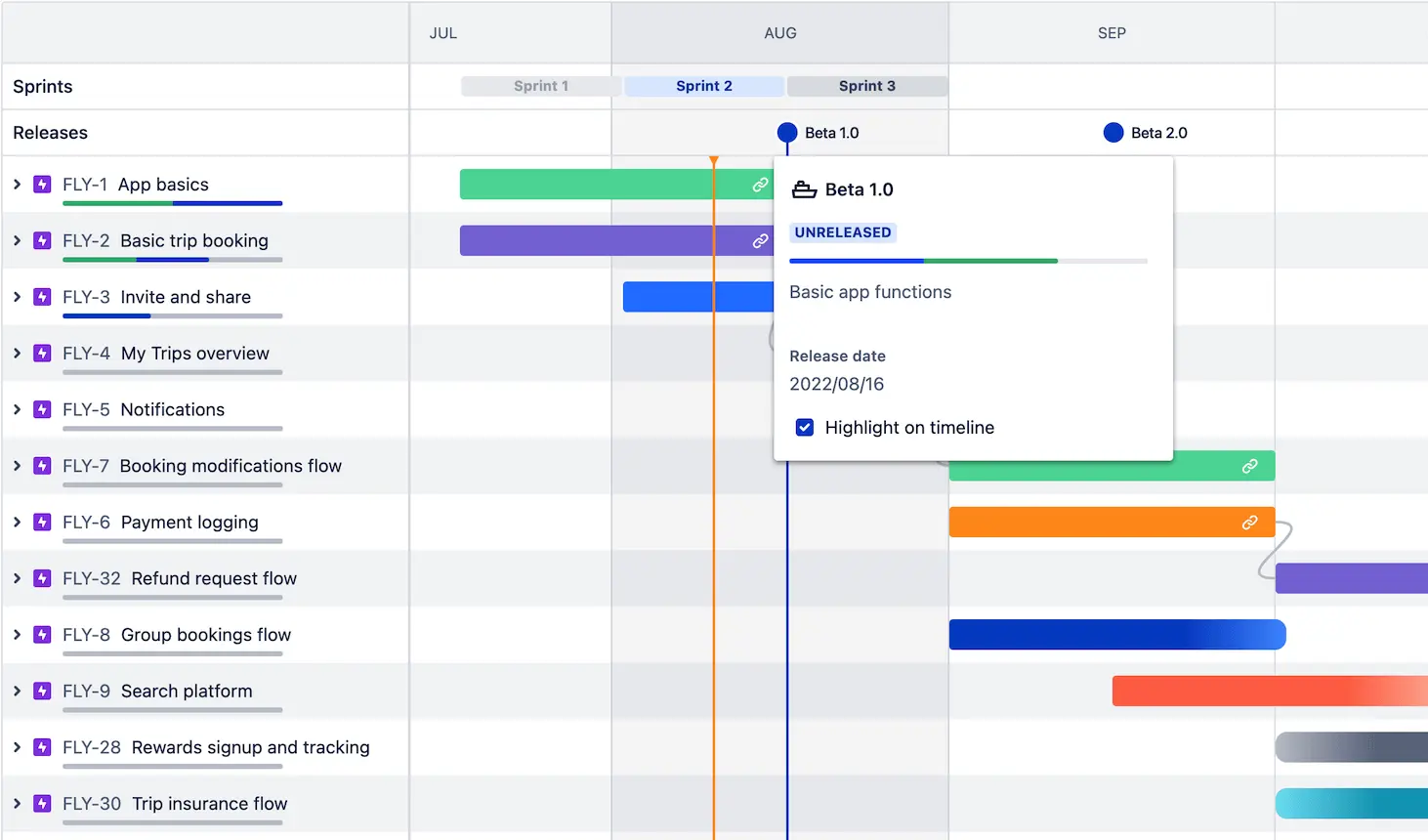
Project roadmap
Product specification (PRD)
Information architecture
Wireframes
Tech stack definition
Development execution plan
How long does this phase take?
Because the discovery phase has already taken place at a high level, the planning phase usually takes around four to five days, depending on the complexity of the product. This time is spent turning ideas, conversations and assumptions into a clear, structured plan that the team can confidently execute.
What if you decide to skip the discovery phase?
It’s common for teams to want to move straight into design or development. This often happens due to pressure to launch quickly, overconfidence in the idea, or tight deadlines.
In practice, skipping the planning phase almost always shows later on. Quality drops, scope creeps, budgets inflate and deadlines slip. Teams find themselves constantly reacting instead of progressing.
When milestones depend on one another, missing early steps puts the entire project on the back foot. What initially felt like saving time usually results in frustration and unnecessary cost.
Final Thoughts
The planning phase shouldn’t be seen as a delay to development. It’s the foundation that makes effective delivery possible.
It answers critical questions early, aligns everyone involved and provides a framework the team can rely on throughout the project. In our experience, it’s one of the biggest contributors to successful outcomes.
Once planning is complete, the UX design phase can begin with clarity and confidence. From there, designs are signed off, development starts, and the team moves forward knowing exactly what needs to be built and why.