
Jonny Steventon
Product Manager

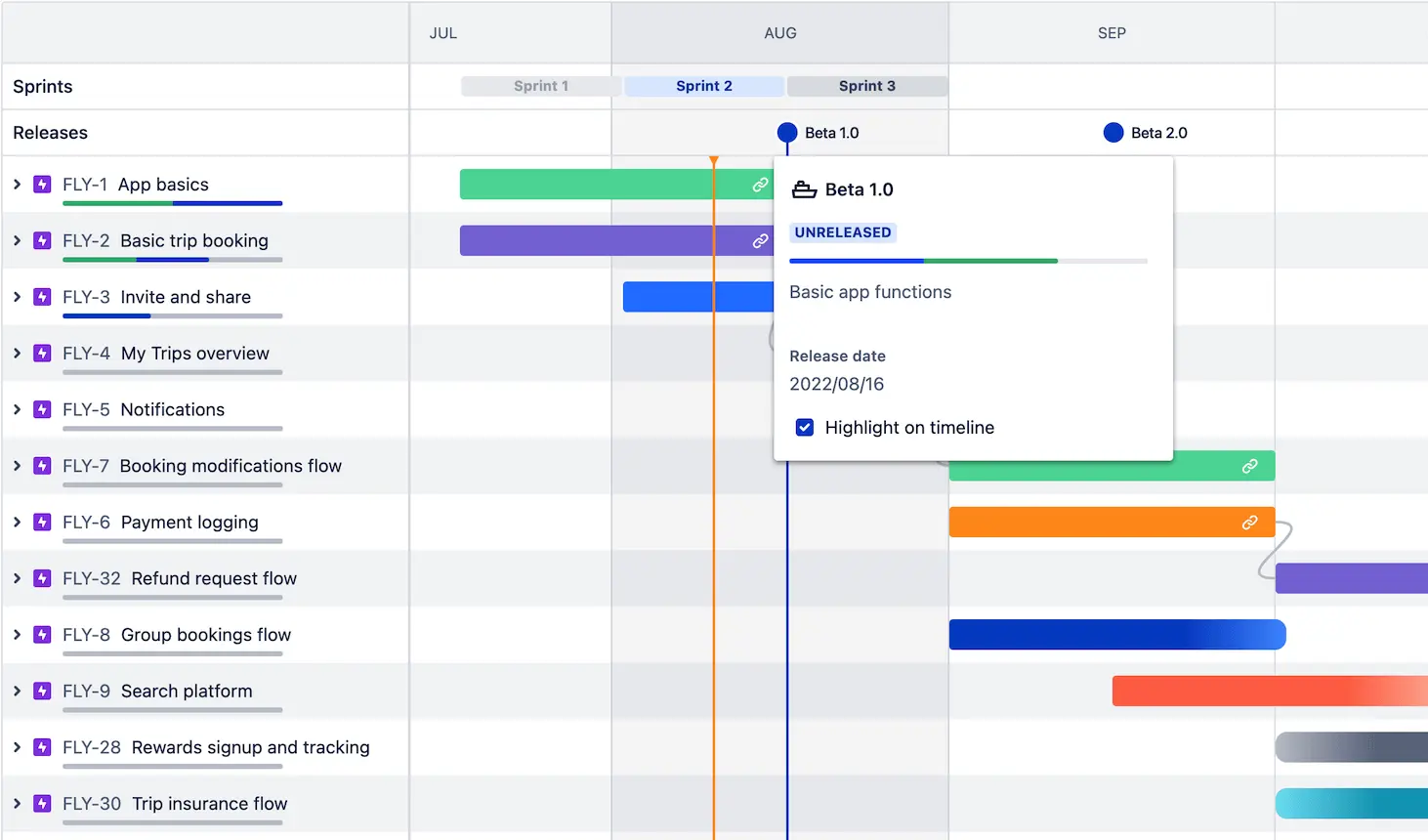
Most founders don’t worry about whether their product will get built. They worry about how quickly things will spiral once development starts. Missed deadlines, unclear decisions, rushed features, and a growing feeling that nobody’s really in control.
Most software projects don’t fail because of bad ideas or weak engineering. They fail because things slowly lose momentum. Decisions get delayed. Scope creeps in. Priorities blur. Everyone feels busy, but progress becomes hard to see. That’s why we run our projects in structured product sprints.
Sprints give projects rhythm. They create focus, force decisions, and make progress visible. More importantly, they remove a lot of the chaos that founders worry about once development begins.
In this article, I want to take you behind the scenes and explain how we actually run product sprints, what’s included in them, how decisions get made, and how we balance speed with quality so projects keep moving in the right direction.
What a Product Sprint Actually Is (And What It Isn’t)
A product sprint isn’t just a time box for developers to write code. It’s not a backlog dump. And it’s definitely not a free for all where anything can be worked on if there’s time.
For us, a sprint is a short, focused delivery window with a clear goal. Everyone involved knows what we are trying to achieve, why it matters, and what “done” looks like by the end of it. A sprint has boundaries. It has priorities. It has intent.
That structure is what allows teams to move quickly without constantly reworking decisions or revisiting earlier assumptions.
What’s Included in a Typical Sprint
Every sprint starts with alignment. Before anything is built, we’re clear on the objective for that sprint. This could be shipping a specific feature, completing a flow end to end, or getting a product to a release-ready state.
Within a sprint, you’ll typically see:
A clearly defined sprint goal
A prioritised set of tasks tied directly to that goal
Design, development, and review happening together rather than in isolation
Regular check-ins to surface blockers early
A tangible output at the end of the sprint
The important part here is that work is connected. Design decisions feed directly into build decisions. Technical constraints are raised early, not after something has already been designed in detail.
By the end of a sprint, something meaningful has moved forward. There’s no ambiguity about progress.
How Decisions Get Made During a Sprint
This is where most projects either move fast or grind to a halt.
In our experience, delays rarely come from technical challenges. They come from unclear ownership and slow decision-making. Too many voices. Not enough context. Or decisions being postponed until “later”.
During a sprint, decisions are made with the right people in the room and the right information on the table.
That usually means:
Fewer decision-makers, not more
Clear ownership over product and technical choices
Trade-offs discussed openly rather than avoided
Decisions documented and carried forward, not revisited endlessly
We don’t aim for perfect decisions. We aim for informed ones. A good decision made at the right time will always beat a perfect decision made too late.
Balancing Speed With Quality
One of the biggest misconceptions about sprints is that they prioritise speed at the expense of quality. In reality, the opposite is usually true.
Moving fast without structure leads to rushed work, unclear scope, and expensive rework later. Moving too slowly in the name of perfection kills momentum and confidence.
Sprints force prioritisation. They make it clear what really matters now versus what can wait. They encourage teams to focus on finishing things properly rather than starting lots of things at once.
Quality comes from clarity. When the goal is clear and the scope is controlled, teams can build with confidence instead of constantly second guessing decisions.
Why This Keeps Projects Moving
When sprints are run well, progress becomes visible and predictable. Founders know what’s being worked on and why. Teams know what success looks like for the current sprint. There are fewer surprises and far fewer last-minute changes.
This creates momentum.
Momentum builds trust. Trust reduces friction. And reduced friction is what keeps projects moving forward without burning people out or blowing budgets.
Instead of one long, overwhelming delivery phase, the project moves forward in manageable, measurable steps.
Final Thoughts
Product sprints aren’t a silver bullet. They don’t remove complexity or make hard decisions disappear. But they do provide structure, rhythm, and clarity in an environment where those things are often missing.
When run properly, sprints give teams the space to think clearly, build carefully, and move forward consistently. And for most founders, that’s exactly what they’re looking for once a project moves beyond ideas and into execution.
If you’re worried about projects stalling, spiralling, or becoming harder to manage as they grow, how you run your sprints matters more than almost anything else.