(k)®
Local time:
Rame Consulting
/2025/


Technologies
React, NodeJS, MongoDB, AWS
Timeline
5 months
Start Date
Oct 15, 2025
Rame is an internal project management platform designed to help teams plan, deliver, and track projects more effectively. The platform brings structure to project delivery by centralising workflows, files, communication, and progress tracking into a single, coherent system.
One of our favourite projects to date, we worked alongside the amazing team at Rame Consulting. Planning, designing and managing the development of their internal project management software. Built as a custom internal tool, Rame focuses on real operational needs, reducing friction, improving visibility, and helping teams understand the true state of their projects at any given time. As Rame’s team and client base grew, project delivery became increasingly fragmented. Information was spread across multiple tools, updates were inconsistent, and it was difficult to get a clear, real-time view of project progress from a stakeholder level. The Rame team were using tools that weren't designed to manage projects the way Rame wanted to. Key challenges included: - Disconnected tools for tasks, files, and communication - Inconsistent project structures across clients - Limited visibility into progress and ownership - Manual admin slowing down delivery - Difficulty onboarding new team members The challenge was to design a system that worked the way teams actually operate, without adding unnecessary complexity.



/Solution & Our Role/
Design and build a bespoke internal platform that reflected how the team actually delivers projects, rather than forcing work into generic tooling. The focus was on creating a single, structured system that brought clarity to projects, reduced admin overhead, and gave the team real-time visibility into progress.
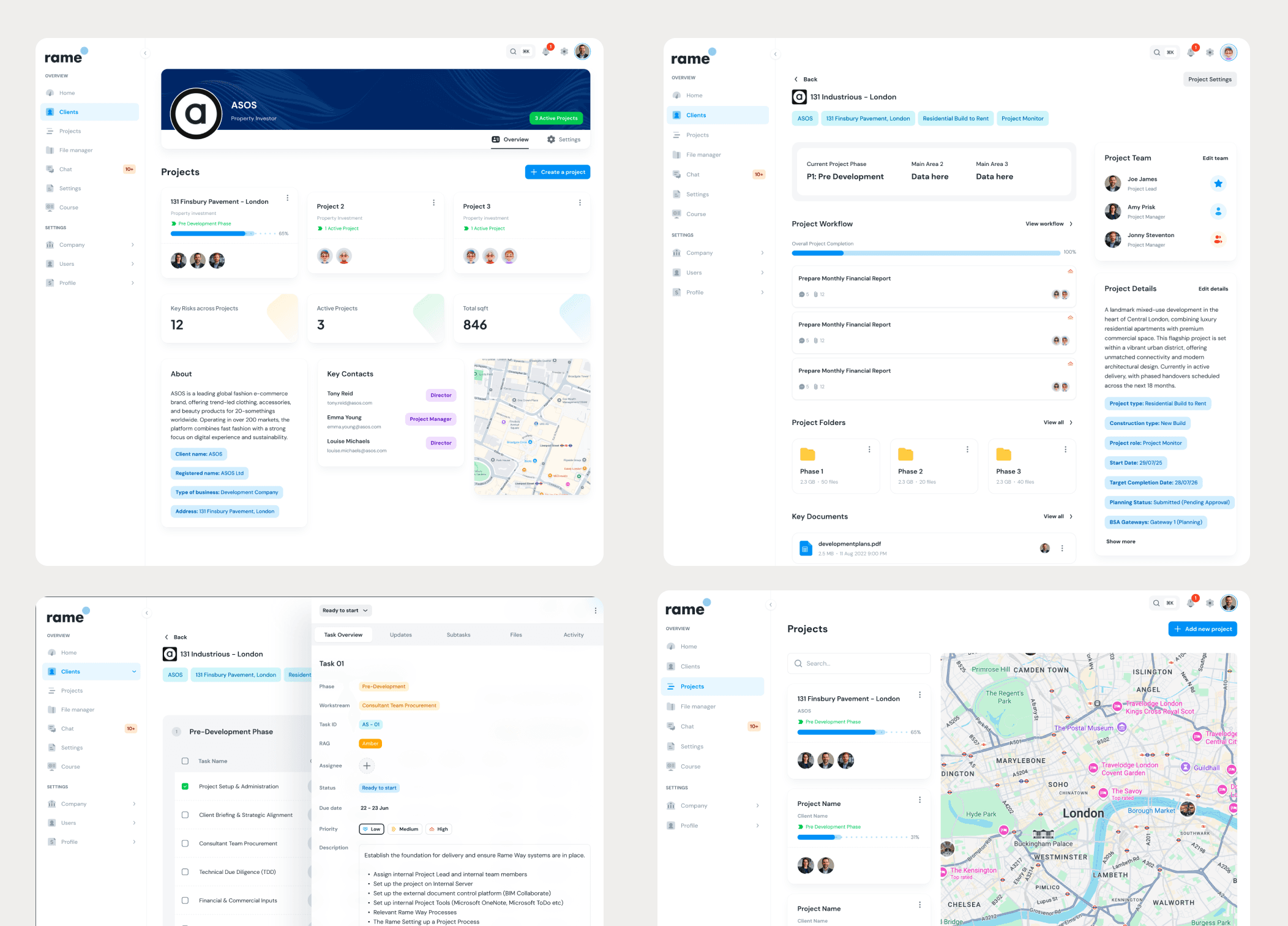
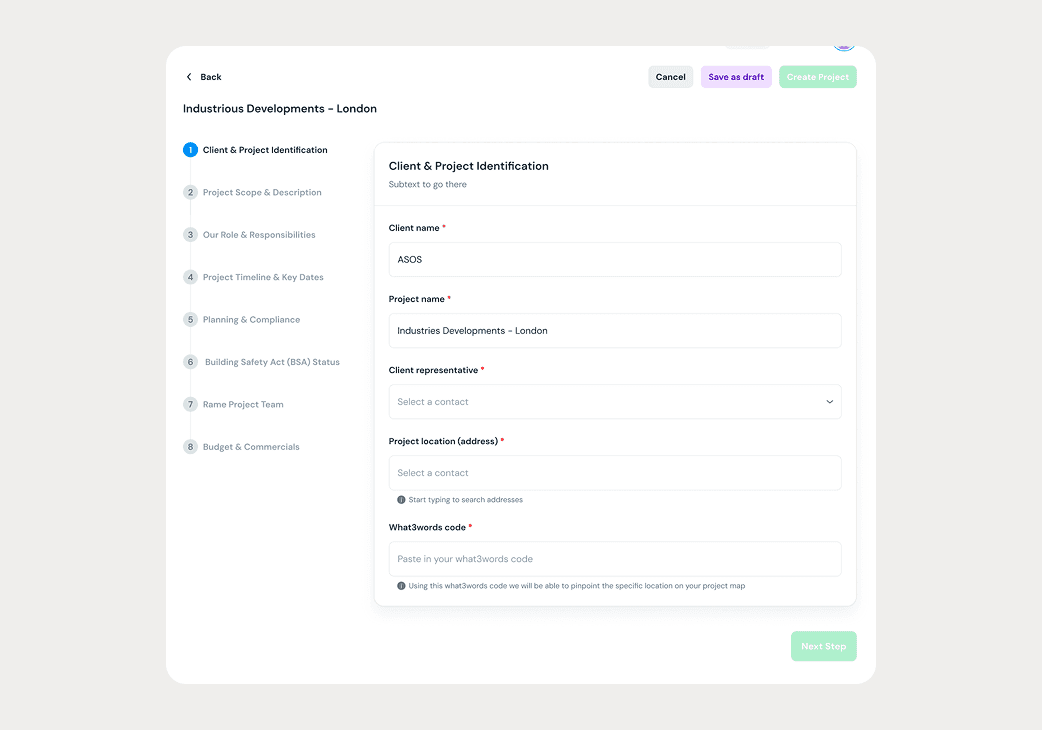
Instead of replicating existing project management tools, the platform was designed around a client → project → workflow hierarchy. Each project acts as a central hub, bringing together tasks, files, communication, team members, and key project data in one place. This ensured there was a clear source of truth for every project, regardless of complexity or scale. The result is a flexible but structured system that improves coordination, accountability, and efficiency, providing a solid foundation for both current operations and future growth. We worked as Product Lead throughout the project, responsible for shaping the platform from discovery through to delivery. Our responsibilties included: - Leading discovery and requirements definition - Mapping real-world delivery workflows - Designing system architecture and feature structure - Creating user flows and UX designs - Writing detailed product specifications - Working closely with developers throughout build This role required close collaboration with internal stakeholders and the development team to ensure the platform solved real problems, not theoretical ones.


/The Process/
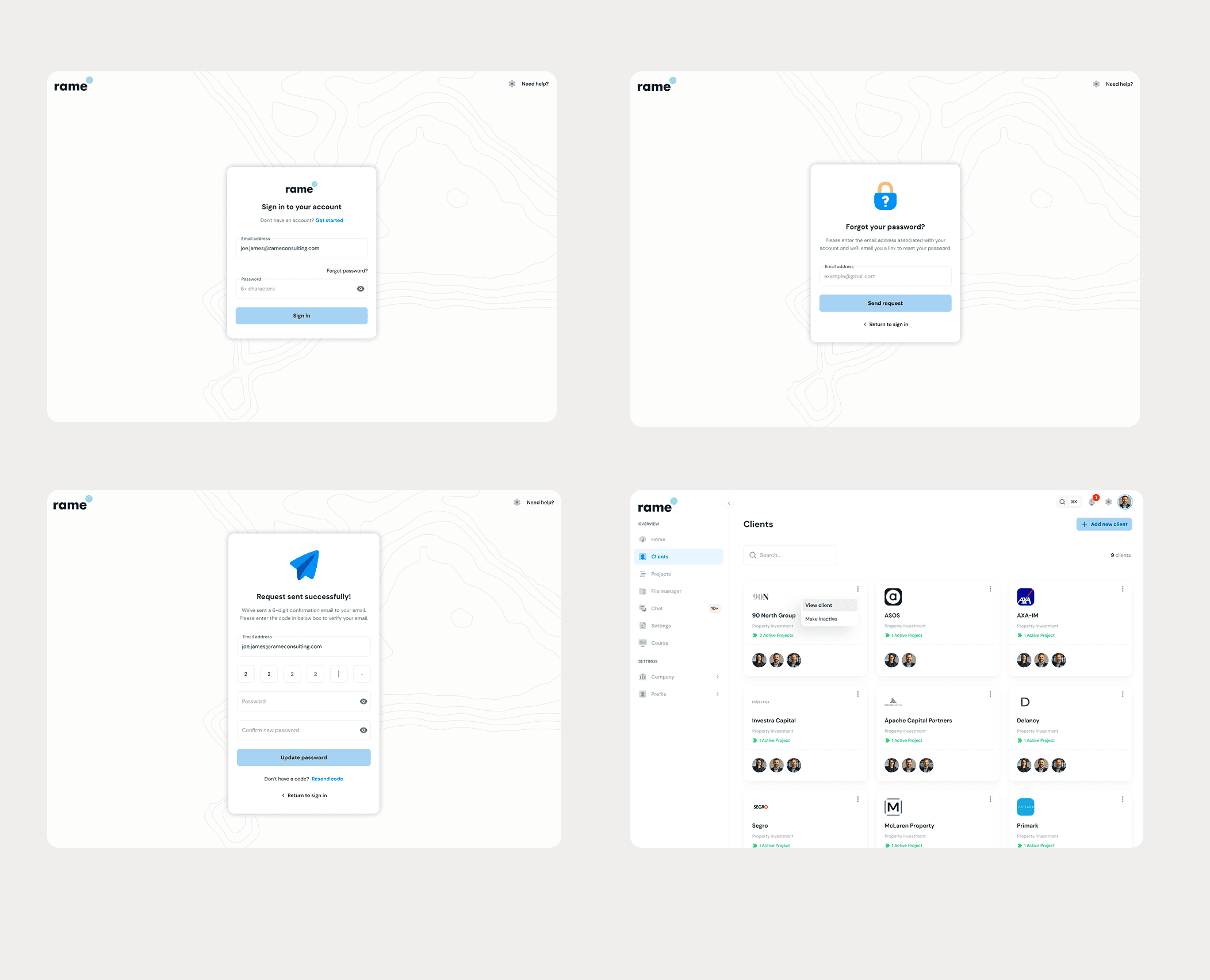
The Team worked through the discovery phase, understanding the client requirements and architecting a solution through a flexible and rapid Sass based platform. We then designed each screen and flow in Figma and then executed the build during the development phase.
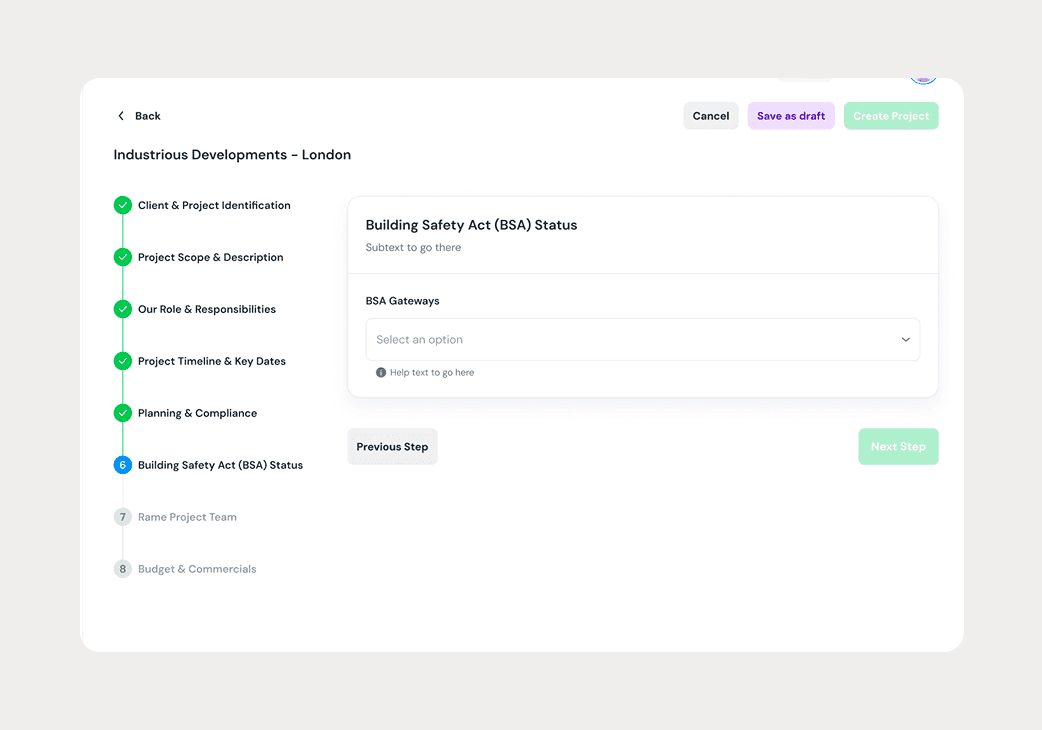
Discovery & Workflow Mapping The project began by understanding how projects actually moved through the organisation — from client onboarding through to delivery and completion. Key activities included: - Mapping end-to-end delivery workflows - Identifying friction points and bottlenecks - Defining core entities (clients, projects, tasks, files) - Establishing a consistent structure across all projects - This ensured the platform reflected reality, rather than forcing teams into rigid processes. Product & UX Design UX design focused on clarity, consistency, and speed. The platform needed to be intuitive enough for daily use, while still supporting complex project structures. - Key design principles included: - Clear hierarchy between clients and projects - Simple, repeatable project setup flows - Visual indicators for progress and ownership - Minimal friction for common actions - Scalable layouts that could support future features - Design decisions prioritised usability over novelty, ensuring the platform felt practical and dependable. Core Platform Features The Rame platform was built around several key functional areas: - Client and project management - Project hubs with overview panels - Task and workflow management - Centralised file storage - Real-time internal messaging - Project location mapping - Settings and permissions Each area was designed to work together as past of a single system, rather than as isolated featured. Allowing project team and key stakeholders to navigate between projects efficiently.
Discovery
UX Design
Software
/More projects.
Year
Project name
Description
4.9 / 5
We’ve helped 95+ businesses
hit their targets—yours could be next.
4.9 / 5
We’ve helped 95+ businesses
hit their targets—yours could be next.


klickit®
/Stay in the loop.
Our updates and insights straight into your inbox

klickit®
/Stay in the loop.
Our updates and insights straight into your inbox

klickit®
/Stay in the loop.
Our updates and insights straight into your inbox

klickit®
/Stay in the loop.
Our updates and insights straight into your inbox